We spent nine nights driving a loop around the South Island of New Zealand in the middle of winter. Christchurch to Lake Tekapo, up to Mt Cook, over to Wanaka, through Arrowtown into Queenstown, down to Te Anau for Milford Sound, then back up through Tekapo to fly home.
As a LOTR nerd, it had always been on my bucket list to visit “Middle-earth”, and the best way to truly see it was a road trip through some of the most amazing scenery in the world.
I planned it carefully. Spreadsheet, bookings checklist, a rule that no driving day would run over four and a half hours. Then we got there and skipped about a third of it because we were too tired.
Day 1: coming off a red-eye
We landed in Christchurch in the morning off an overnight flight, collected the rental car, and drove three and a half hours to Lake Tekapo. On paper that is a gentle first day. In practice it is a long drive on the wrong side of an exhausted brain. I did something similar during my last Japan trip, and while I do not recommend it, it is something I can live with. That’s only if I can go to bed early the first night in whatever destination I’m in!
I also made a mistake with the accommodation. I booked a hostel in Tekapo, and hostel dorm arrangements meant I slept in a different room from my family. On the first night of a family holiday, after a red-eye. It saved a small amount of money and cost considerably more than that in goodwill. I slept well, though.
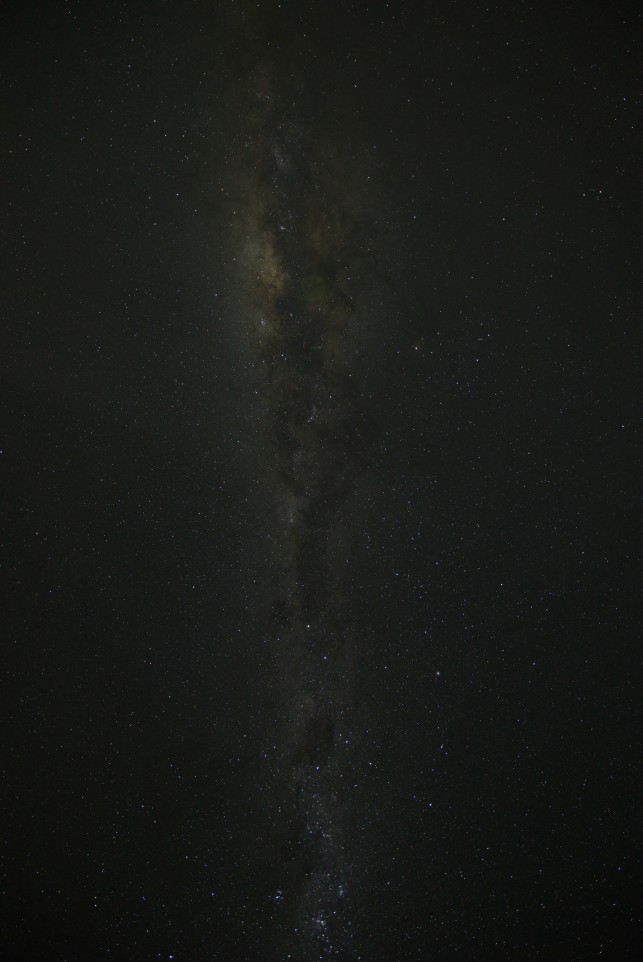
What redeemed the day entirely was the sky. Tekapo sits inside a Dark Sky Reserve, and on a clear winter night the Milky Way is not a faint smudge you squint at. It is the brightest thing up there. I had brought a camera and a tripod specifically for this and it was worth every gram of the luggage allowance. The stargazing and the astrophotography were the best part of the first half of the trip, and they cost nothing.
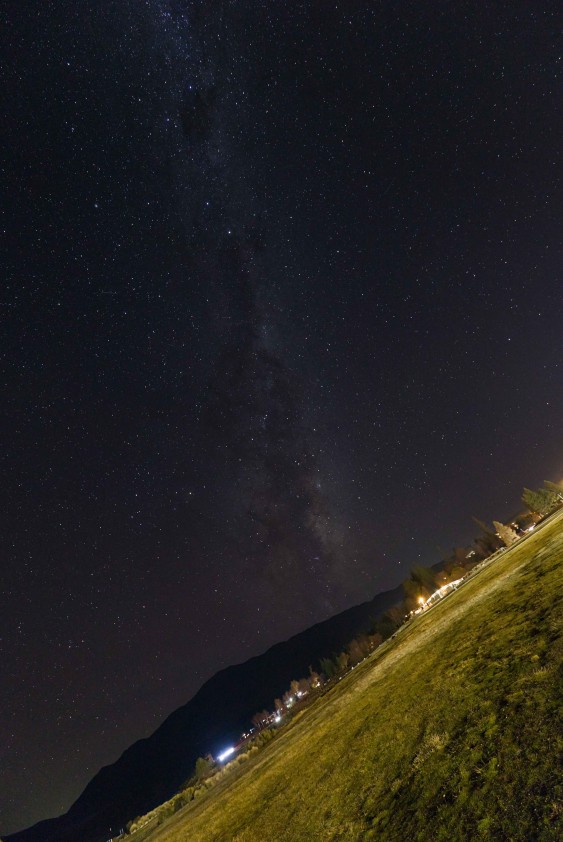
We had also planned the Tekapo hot pools and the Church of the Good Shepherd at sunset. We did neither. Too tired, and we forgot to bring our swimwear!
Day 2: fog at Mt Cook, and the road that stole the trip
Tekapo to Wanaka by way of Mt Cook. The Hooker Valley Track is the walk everyone does at Mt Cook, three hours return over three swing bridges, and in good conditions it is flat and easy.
We got to the first bridge and the fog came in. Not the picturesque kind. The kind where the mountain you drove ninety minutes up a dead-end valley to see stops existing. We turned back, which was the right call and still felt like a small defeat. We still managed to get a nice shot just as the fog was pouring in.
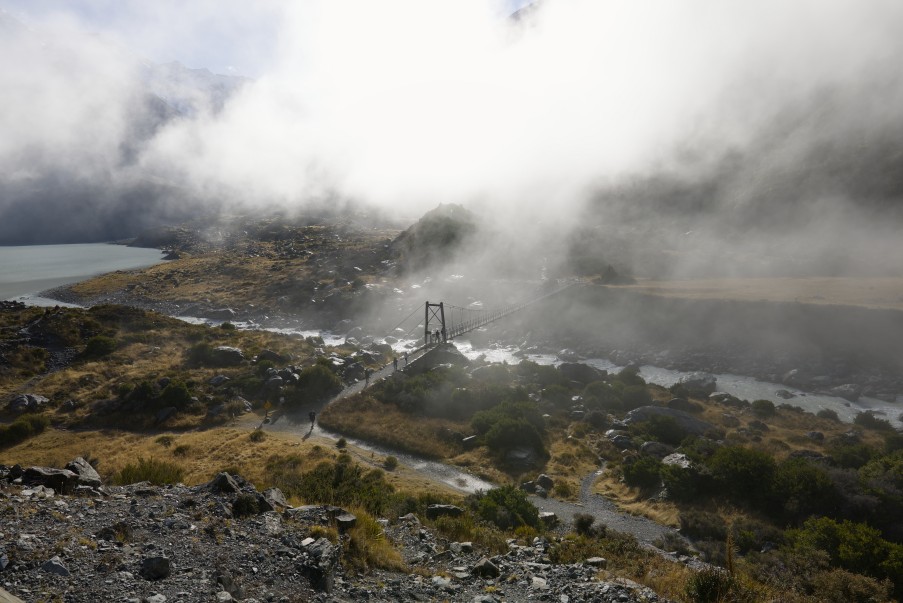
Lunch was at the Mt Cook Alpine Salmon shop, fresh sashimi from a farm at the foot of a glacier, eaten in a car park in the cold. Genuinely one of the better meals of the trip. The salmon dip with crackers was also delicious!
Then the fog followed us onto the road, and driving through it was the only part of the holiday I would call frightening. Unfamiliar car, unfamiliar side of the road, no visibility, and mountain roads with nowhere sensible to pull over.
And then it cleared, and we came over Lindis Pass.
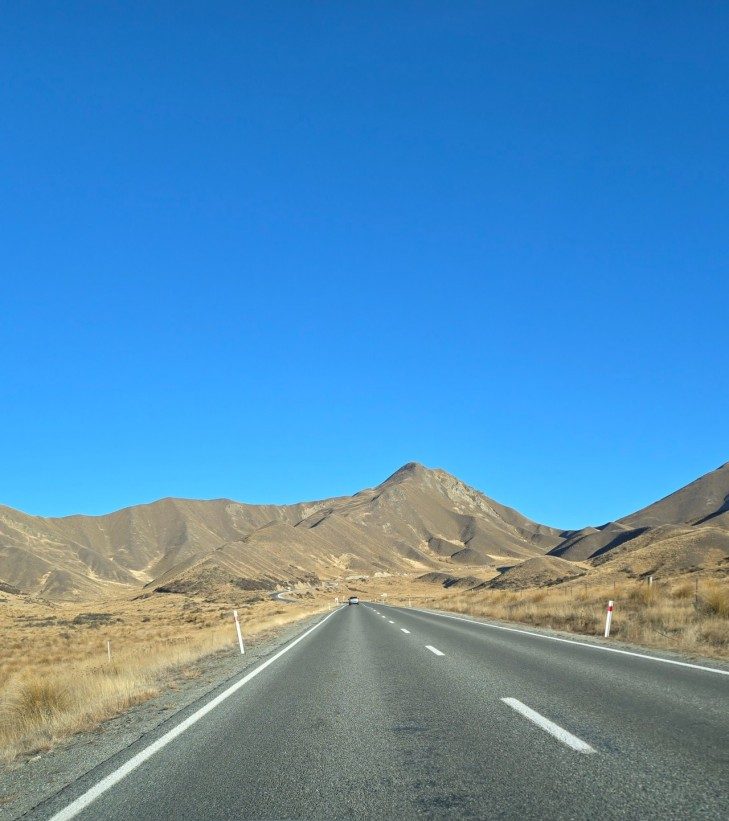
I did not expect that. It is not a headline attraction, it is just the road between two places, and it is the most extraordinary landscape I have ever driven through. Bare golden tussock hills rolling away in every direction with nothing built on them. It looks like somewhere a film crew would go to shoot an alien planet (or the fields of Rohan). We drove it twice on this trip and I would happily drive it again tomorrow.
Day 3: two hours lost in a maze, deliberately
A day in Wanaka with no driving, which after the previous day was exactly right.
We started at Puzzling World and went straight at the Great Maze on hard mode, which means reaching the four corner towers in a set order before you find the exit. It took us two hours. It is a genuinely good maze, three-dimensional, with bridges and stairs and a real capacity to make you doubt yourself. Going up, down, sideways and across made me sweat in the middle of winter. I had to strip off my puffer and run around in only my base layer!
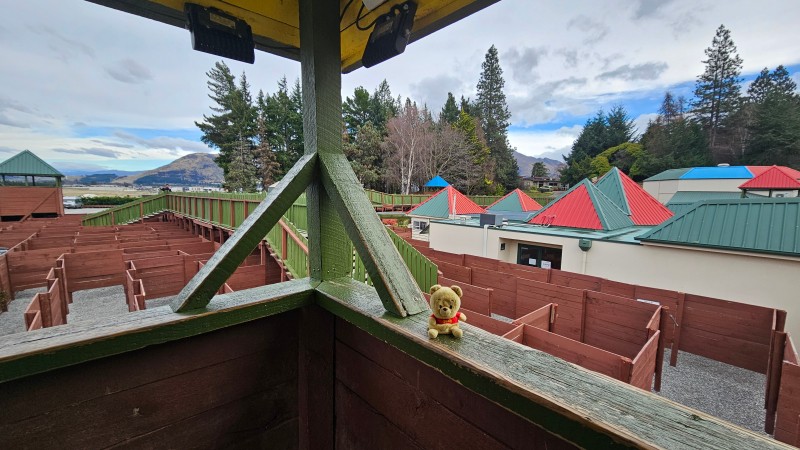
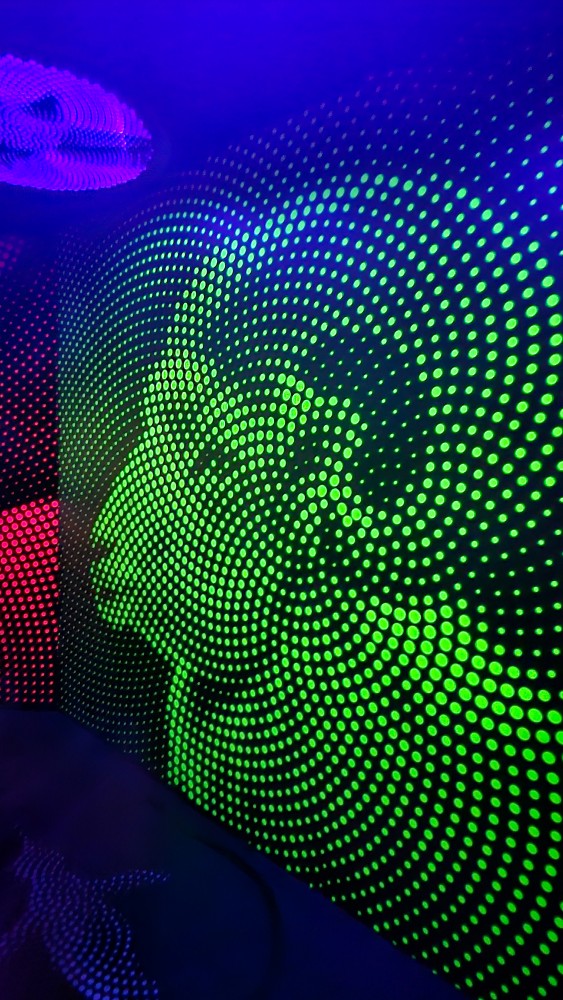
We did the Illusion Rooms next, and it was a mind-bending experience!
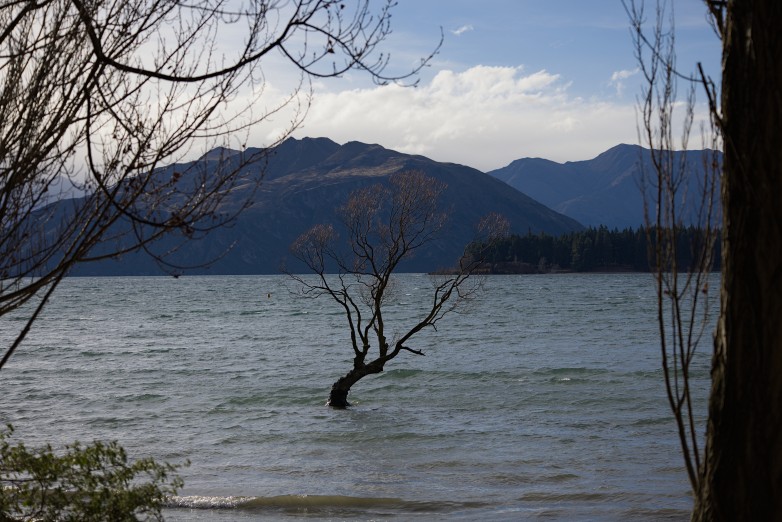
Then That Wanaka Tree, the most photographed tree in the country, which is a tree standing in a lake and is somehow still worth seeing. We walked around the lake and stopped at the grocery store to pick up ingredients for dinner, which was a good idea as it started raining in the evening!
I had planned Cinema Paradiso for that evening, the Wanaka cinema where you watch films from an old couch and they hand out warm cookies at the interval. Everyone told me it was unmissable. We missed it. Too tired.
Day 4: Arrowtown
A short drive with a stop in Arrowtown, an old gold rush town that has kept its main street more or less intact.
The Chinese Settlement is the part that stayed with me. Restored huts along the river where Chinese gold miners lived in the 1860s, separated from the European miners and working claims that had already been picked over. It is free, it takes half an hour, and it is a considerably more honest piece of history than most heritage sites manage.
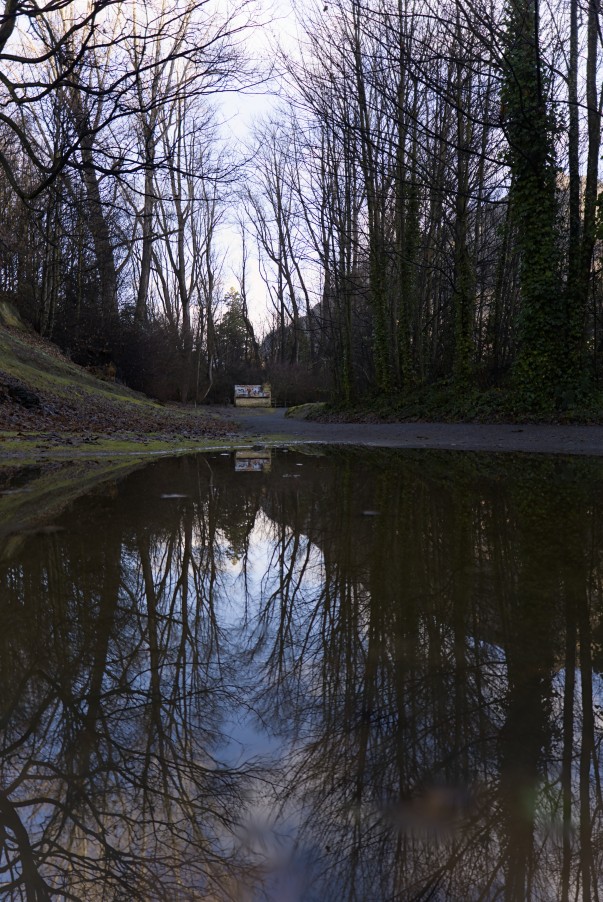
Lunch on Buckingham Street, then the Lakes District Museum, then on to Queenstown in the afternoon. I considered panning for gold in the river below, but when I saw another freezing family returning their panning pans, I decided that my comfort was worth more than the memory!
Day 5: the luge, five times
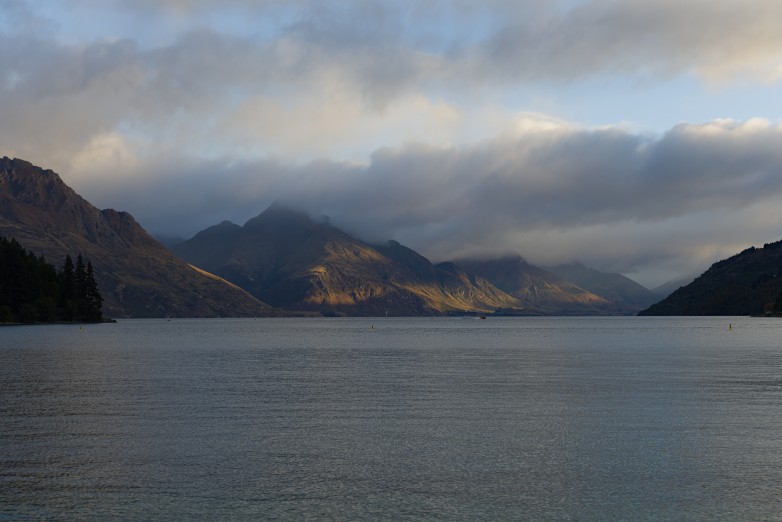
The Skyline gondola takes you up above Queenstown, and at the top there is a luge track. You sit in a plastic cart and steer yourself down a concrete run with the whole of Lake Wakatipu spread out below you.
We did it five times. Buy the multi-ride pass. Whatever number of rides you think you want, buy more than that, because nobody in the family wanted to stop and the single-ride pricing is not your friend.
Kiwi Park is right next to the gondola base and we went straight there afterwards. Kiwis are nocturnal, so they live in a blacked-out house and you stand in the dark waiting for your eyes to adjust. We saw four of them. They are much bigger than I expected and they move like something that has never needed to be in a hurry. There is other native wildlife on site too, and the whole place doubles as a conservation operation rather than just a zoo.
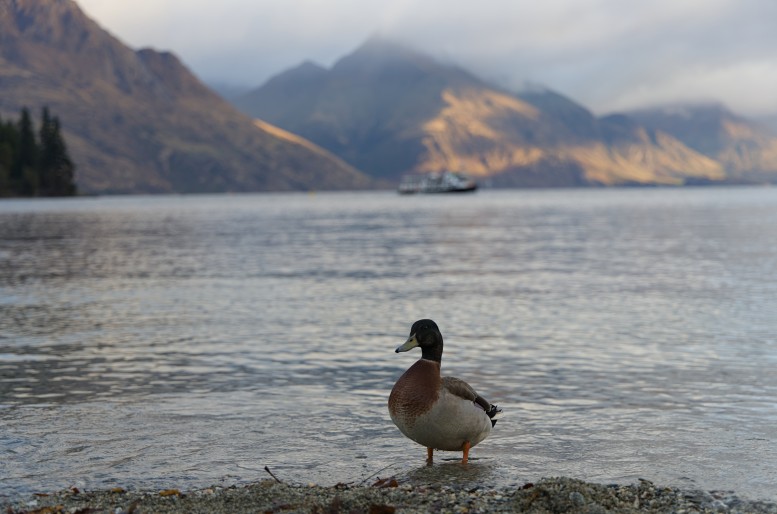
We spent the rest of the day walking around Queenstown and admiring the scenery and doing a little bit of shopping.
The Onsen hot pools at Arthurs Point, private cedar tubs looking out at the mountains, had been booked weeks ahead as one of the highlights of the whole trip. We did not go. Too tired.
Day 6: cannibal maggots
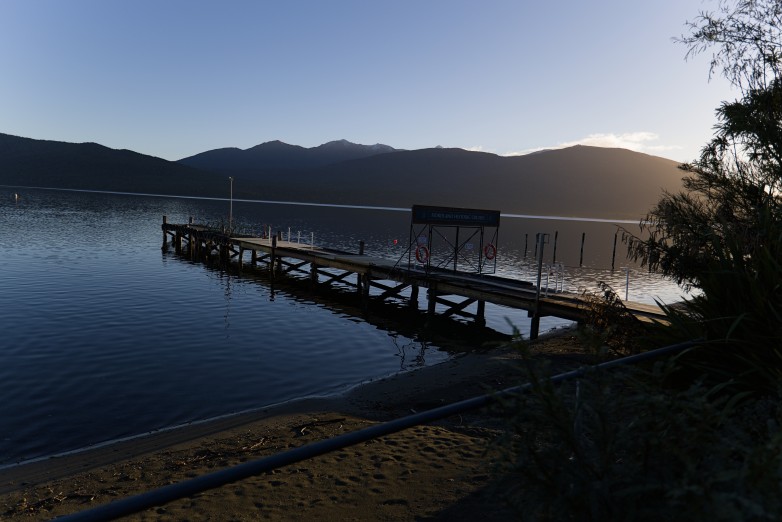
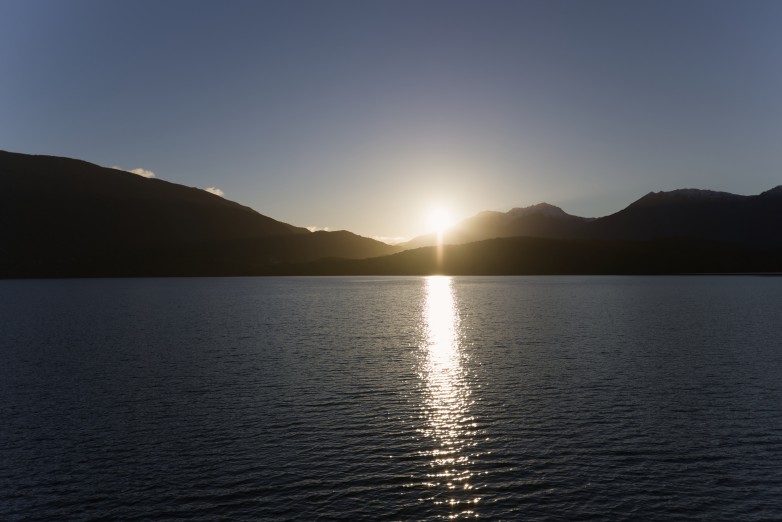
There had been a morning cruise on the plan, the old coal-fired steamship across Lake Wakatipu to Walter Peak. We let it go and had a slow morning instead. Then the drive to Te Anau, where we sorted out the Milford coach and picked up tickets for the evening glowworm cave tour. We had to take a 30 minute ferry ride just as the sun was setting, so it was the perfect time to captures some gorgeous shots.
Here is what nobody tells you about glowworms. They are not worms. They are the larvae of a fungus gnat, they hang sticky threads down from the cave roof to trap insects, and the light is bait. If food gets scarce, they eat each other.
So what you are actually doing is being poled through a pitch-black cave grotto in a small boat, in total silence, looking up at the ceiling. Looking at what amounts to a galaxy of cannibalistic maggots advertising for dinner. It is beautiful. It is also deeply strange once you know, and knowing made it better.
Clear sky again that night, so the camera came back out.
Day 7: Milford Sound, and a driver called Peanut
The one thing on this itinerary I would not have cut under any circumstances.
Do not self-drive to Milford in winter. Take the coach. The road crosses avalanche terrain and runs through the Homer Tunnel, a rough-hewn single-lane bore driven straight through the mountain on a gradient, and in winter it can close at short notice. The coach drivers do that road daily and know exactly what it is doing.
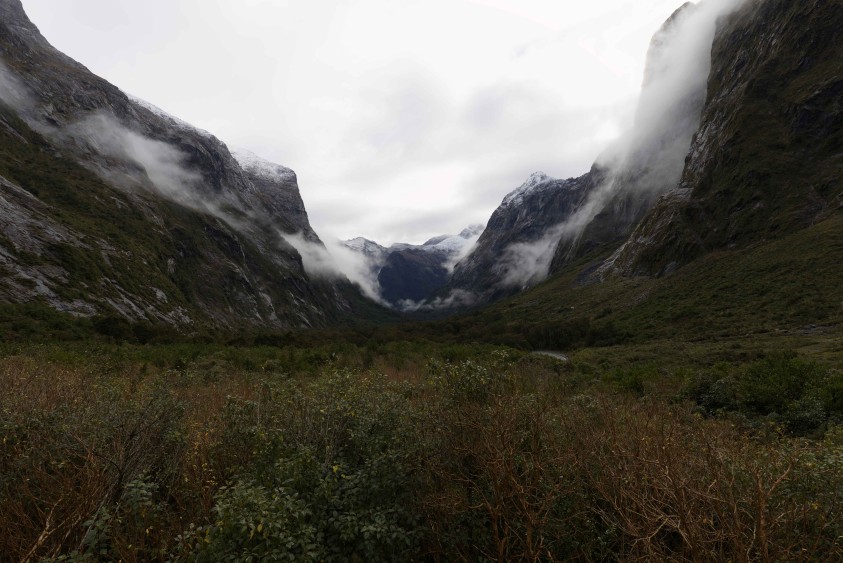
Ours was called Peanut. He was excellent and gave us a history lesson of the landmarks we passed.
The drive is not the boring part before the good part. It is half the experience. We stopped at Mirror Lakes, where on a still morning the Earl Mountains sit perfectly inverted on the water, and rolled on through the Eglinton Valley with the sun coming through.
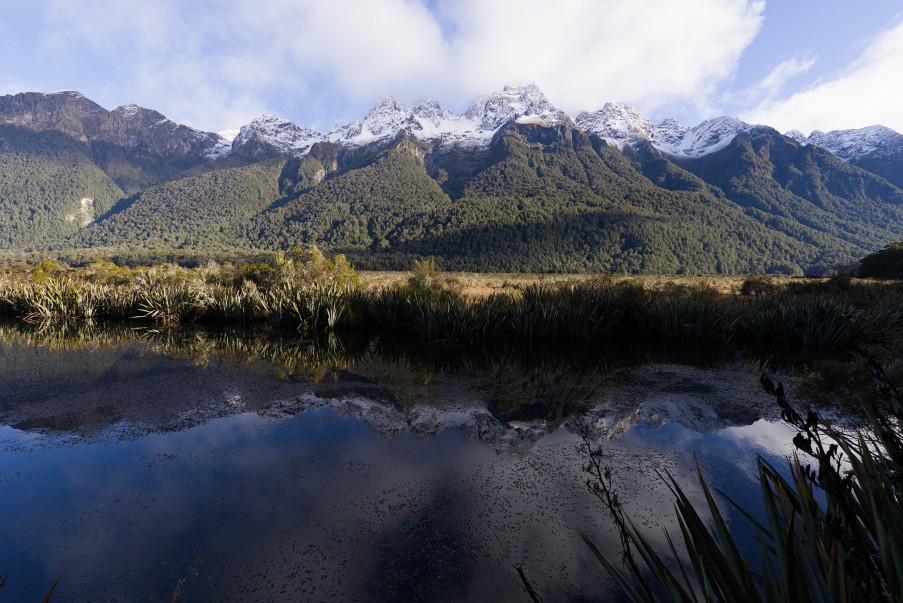
Milford Sound
Then the tunnel, and out the far side into Milford. We obviously had to stop to take a picture with one of the locals!
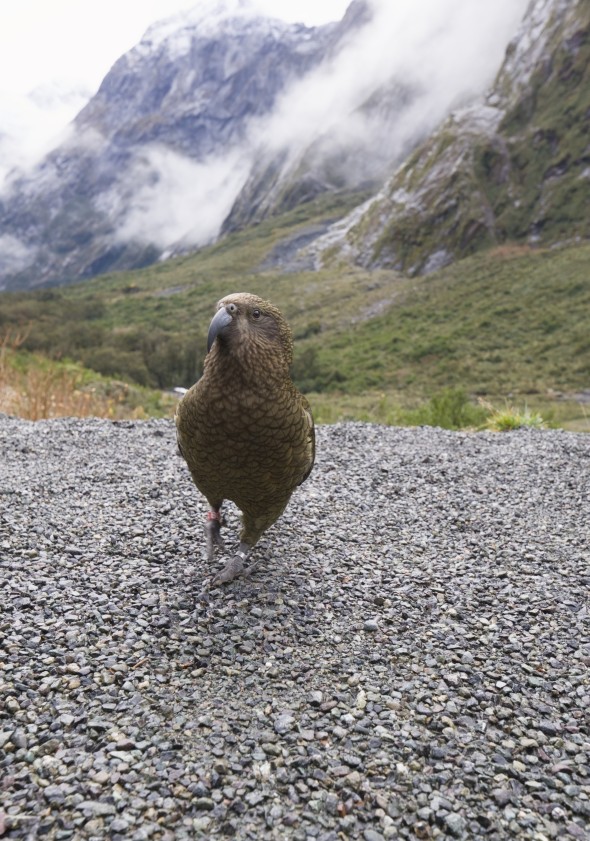
That is a kea, and it is the reason you are told not to leave anything loose on your car in a Fiordland car park. It is the only alpine parrot in the world, it is clever enough to solve puzzles that defeat most animals, and it appears to use that intelligence almost entirely for crime. Windscreen wipers, rubber door seals, boot latches, anything soft enough to be pulled apart and investigated. This one walked straight at us with the calm of something that has never once been told no. There are only a few thousand left, they are protected, and you are asked not to feed them, which is harder than it sounds when one is looking at you like that.
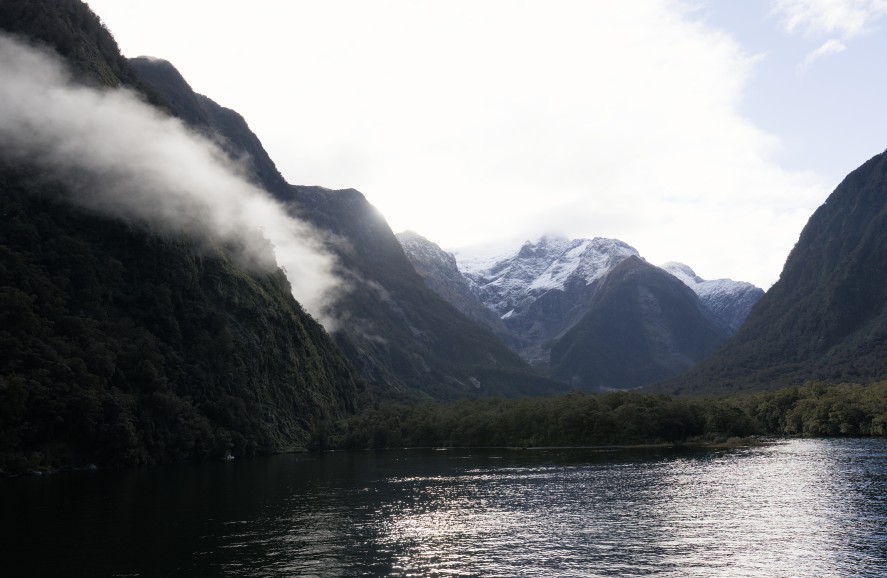
We got lucky with the weather. Milford in winter is either clear and freezing or torrentially wet, and we drew dry with a bit of wind, which meant Mitre Peak was fully visible from the water. Lunch was on board during the two-hour cruise, sheer rock walls going straight up out of the sea on both sides, waterfalls coming off them.
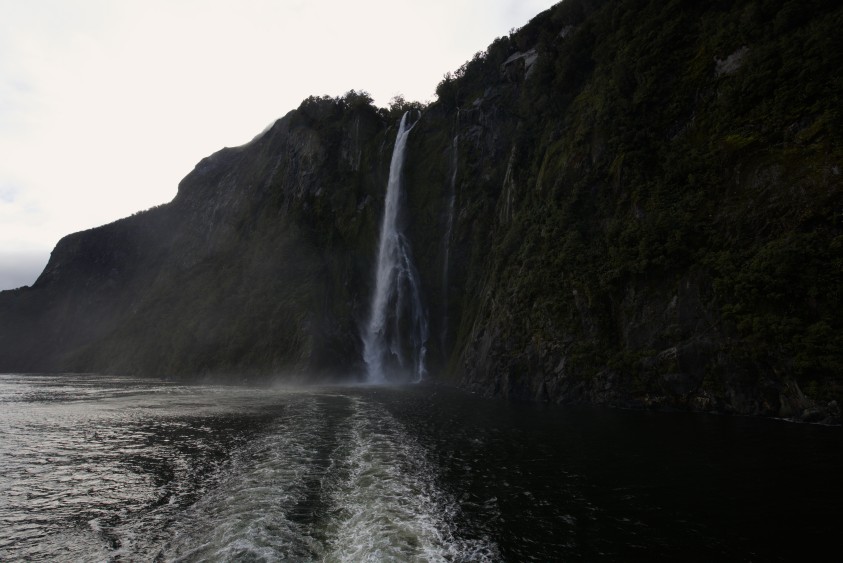
Out of this world. There is not a more useful way to describe it.
Day 8: ketchup chicken and a second run at Lindis
The long drive back north to Tekapo. We stopped in Cromwell for an Indian lunch, where the butter chicken turned out to be less butter chicken than ketchup chicken. I mention it only because it was the single worst thing we ate in nine days, which as a complaint about a country’s food is not much of one.
Then Lindis Pass again, in different light, still unreasonable. Further north we pulled over at Lake Pukaki and just stood there for a while.
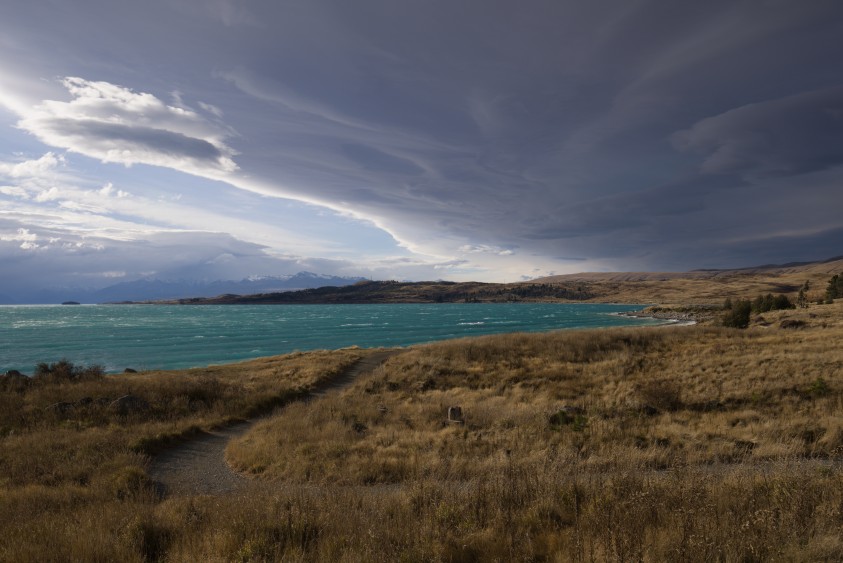
The rest of the day went on walking around Lake Tekapo, admiring the natural beauty and soaking in the serenity that only comes when the beauty of the environment stops your brain from thinking.
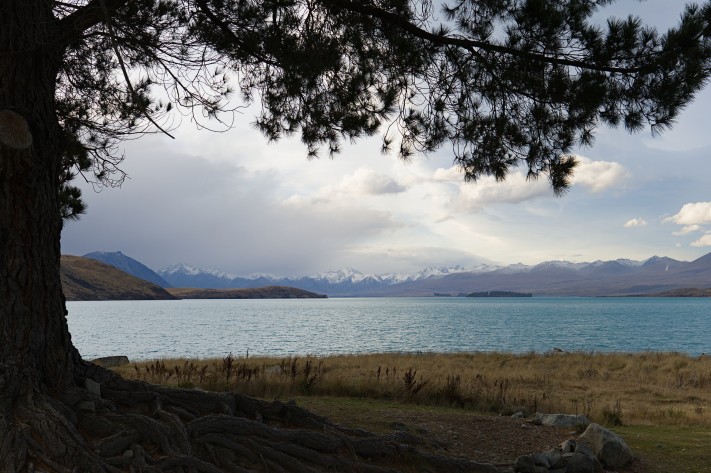
Cloudy that night, so no stars. You get the sky you are given.
Day 9: Christchurch
Back to Christchurch, lunch at the Riverside Market, along with some last minute souvenir shopping then an airport hotel for an early flight. The Antarctic Centre was on the plan. It did not happen either.
What I would change
Book rooms your whole family fits in. Obvious in hindsight. The saving was not worth it.
Plan for winter daylight, not for the itinerary. The sun comes up around eight and is gone by five. That is a nine-hour day, and a big chunk of it goes on driving. Every evening activity I scheduled competed directly with a family that had been outside in the cold since morning, and the family won every time.
Build in fewer things. We skipped the hot pools twice, the lake cruise, and the Antarctic Centre. Every one of them was a real plan and I was quite pleased with myself for finding them. None of them survived contact with tiredness and a short day.
The pattern in what we did keep is the thing worth noticing. The best moments were Lindis Pass, the stars at Tekapo, the fog at Mt Cook and the weather holding at Milford. Three of those four were free, none of them were bookable, and one of them was technically a failure.
Plan the route. Book the one thing you would be devastated to miss, which here was Milford. Then leave the rest of it alone and let the trip happen.